


In November 2008, Corporal Ross Austen was serving on his second tour of Afghanistan with the Royal Engineers when he stepped on an improvised explosive device.
His unit was under enemy fire and preparing to move into a new compound. As a Section Commander, Ross was responsible for 10 men and, after setting an explosive charge to help the troops advance, he was running for cover when he felt something beneath his foot. It was a life-changing moment and the beginning of an extraordinary journey that would ultimately see Ross overcome enormous adversity.
“I heard this crunch, and I knew straight away, I was like: ‘Have I hit a mine or an IED?’”
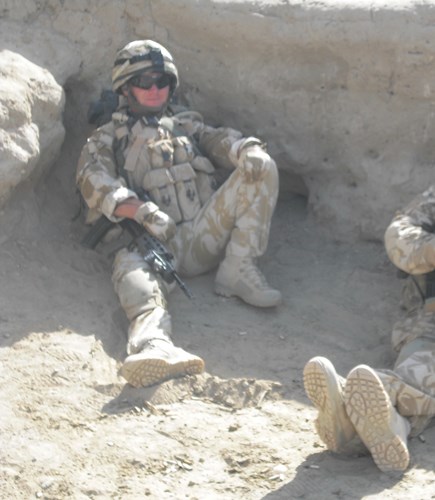
The explosion threw Ross into the air causing devastating injuries to his legs and hip.
He was later told that, had he been just a few minutes further from medical help, he could have bled to death.
It was the beginning of a long and painful recovery. Ross spent six months in hospital and underwent more than 40 operations, followed by nearly three years of rehabilitation at Headley Court. Eventually, after enduring repeated surgery and constant pain, he made the difficult decision to have his left leg amputated above the knee.
But the physical injuries were only part of the battle.
As his rehabilitation progressed, Ross began to confront what the explosion meant for the life and career he had known.
“That's when all the demons start creeping in because you're like, what am I going to do now?
“That's the end of my career; that's the end of my life.”
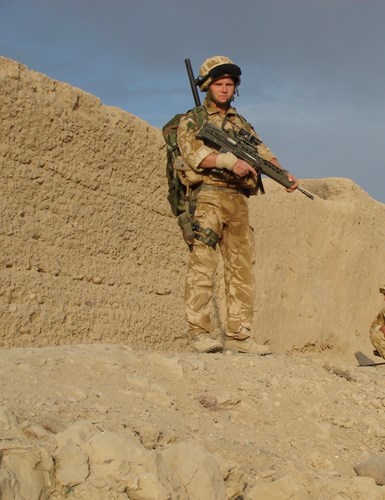
After being medically discharged, Ross found the transition to civilian life particularly difficult. He had lost the structure, camaraderie and sense of purpose that had been part of his life in the Army. He stopped going out, began drinking heavily and, over the following two years, his mental health deteriorated until he attempted to take his own life on two occasions.
His son eventually gave him a reason to change direction.
“I looked at him one day and I was like: ‘What are you doing? What the hell are you doing? You've got this amazing, beautiful son here that needs you.’
“And that's what saved me.”
Ross began going to the gym and discovered powerlifting. What started as a way of rebuilding his life soon became something much bigger.
After entering a competition for fun, he was invited to compete at the British Championships and, in 2015, won gold to become British champion. It marked the beginning of six years as a full-time athlete with the GB squad, and in 2016 he represented his country at the Invictus Games in Orlando, winning silver in powerlifting.
“Just to have that pride again, and that purpose again, felt really good.”
Sport had given Ross something he feared he had lost forever: a goal to work towards and the opportunity to represent his country again.
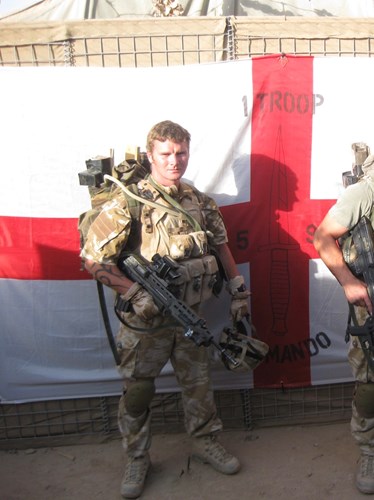
After retiring from powerlifting, he discovered CrossFit and began climbing the adaptive rankings. Within a year of starting work with a full-time coach, he had moved from the world's top 20 to become one of the leading athletes in his division.
His ambition now is to win the CrossFit Games and become the fittest athlete in the world in his division. But his achievements are about more than medals and rankings. Ross hopes his experience can encourage others facing serious injury or disability to see what may still be possible.
“Just because you've got a disability doesn't mean you can't still have an amazing life and follow your dreams.”
Ross also knows that recovery is rarely achieved alone. Veterans' charities provided important support during his own rehabilitation, and he believes that help remains essential for those struggling with injury, mental health or the transition from military to civilian life.
“The Veterans' Foundation® is crucial,” he said. “Veterans are struggling in civilian life and they need help. The foundation funds that support.”
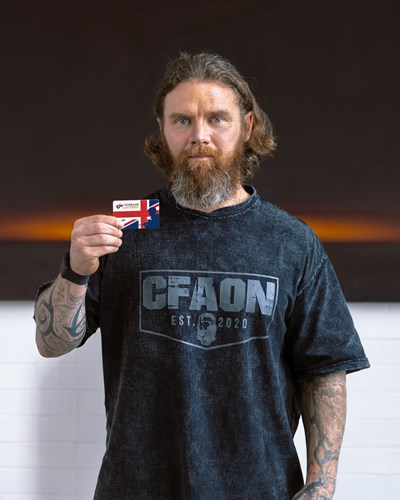
For Ross, sport provided a route back to confidence, independence and purpose. His experience is also a powerful example of why the right support, at the right time, can make such a difference to someone rebuilding their life after service.
Looking back at everything he has been through, Ross says he would still do it all again.
“I'm still here at the end of the day. I'm still here.
“I count myself quite lucky.”
By playing the Veterans' Lottery®, you can help the Veterans' Foundation® continue funding charities and organisations across the UK that provide vital support to veterans like Ross when they need it most.


