


Flying with the RAF’s Chinook fleet, Liz McConaghy spent years responding to some of the most serious casualties of the war in Afghanistan. But the experiences she learned to push aside during service would follow her long after she returned home.
Liz joined the Royal Air Force at 19, driven by a desire for purpose and to do something that made a difference.
After completing her training, she began a career as Chinook aircrew and, at 21, became the youngest aircrew member to deploy to Iraq. She would later complete 10 deployments to Helmand Province in Afghanistan.
For Liz, the Chinook became much more than an aircraft.
“The Chinook, I always say it was the love of my life. It's such a unique aircraft.”
Some of the most significant experiences of her career came while serving with the Medical Emergency Response Team (MERT), helping recover wounded personnel from the battlefield.
As operations in Afghanistan intensified, MERT became increasingly busy. Liz remembers one day when her crew responded to 14 calls back-to-back, repeatedly flying out to collect injured personnel and casualties before returning them to Camp Bastion.
“I've seen people being brought over the ramp who had already died on a stretcher and being brought back to life on the back of the aircraft.”
The work exposed Liz and her colleagues to traumatic scenes, but at the time their focus was simply on doing their job.
“I always used to look at the casualties and the bodies that we pick up on MERT as just a really precious piece of freight, because I think if I start to humanise them, then that really would have been the undoing of me.”
“We just kept going because nobody wanted to let the side down.”
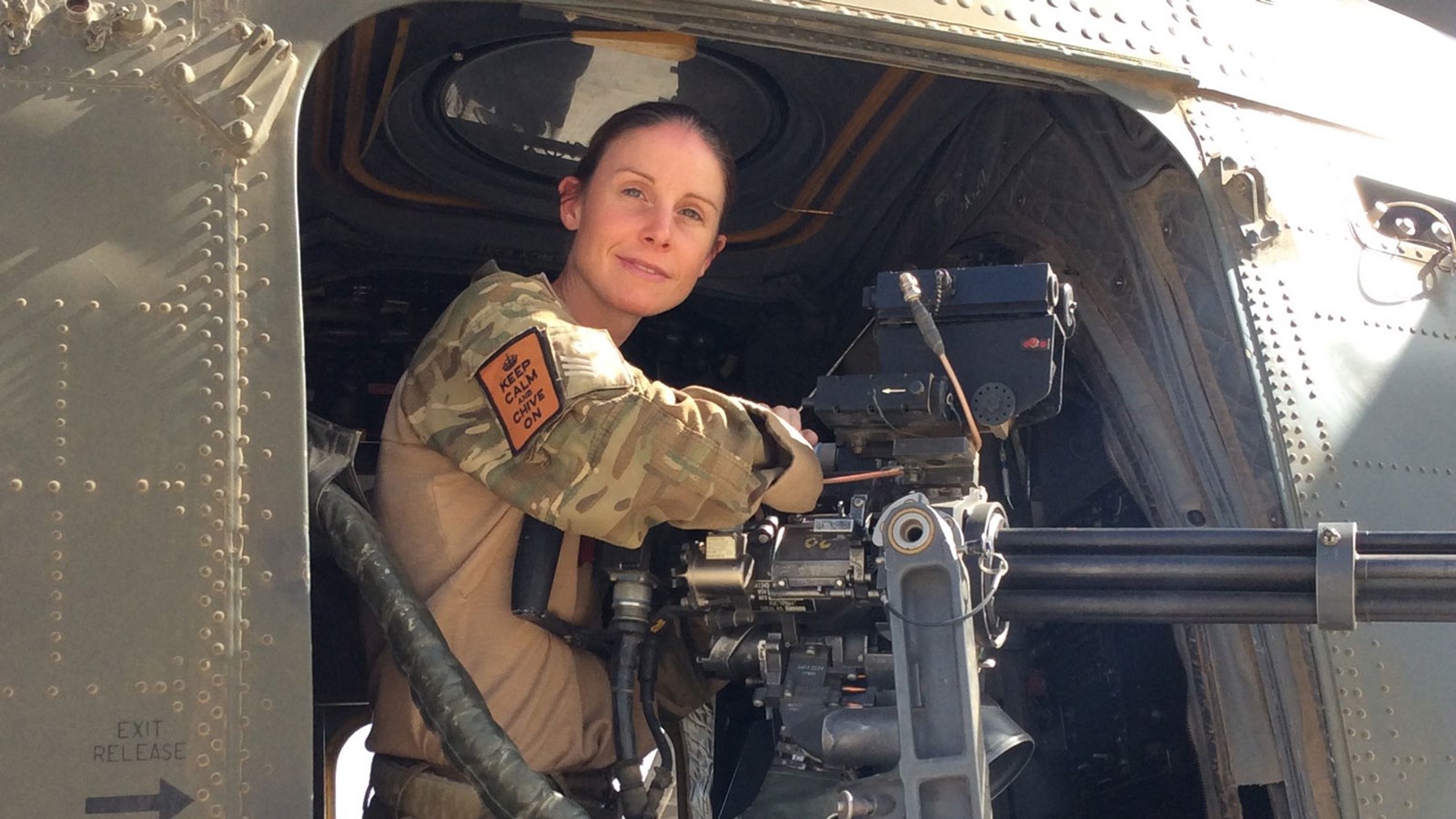
Throughout those years, the RAF provided Liz with an enormous sense of purpose.
“Every day we were saving lives and we were rescuing troops that were pinned down. We were taking ammunition and water to them. So that sense of purpose lasted for the 10 years of that campaign.”
In 2019, after more than 3,000 hours flying in Chinooks, Liz was medically discharged because of problems with her neck.
Leaving the RAF proved difficult.
“I’d joined the Air Force for life, I was going to stay there forever if I could have done. So to suddenly be without that uniform, I just felt really invisible all of a sudden.”
When the Covid pandemic brought the country into lockdown the following year, Liz lost many of the coping mechanisms that had helped her deal with her experiences.
She began researching some of the soldiers she had recovered while serving on MERT, learning about the families and lives behind the casualties she remembered.
Thoughts about her experiences became increasingly difficult to escape and, in August 2020, Liz attempted to take her own life.
Two days later, she woke in intensive care.
“My overwhelming emotion was, I don't want to die, which is so far removed from the emotion of two days before that.”
It was the beginning of Liz’s recovery.
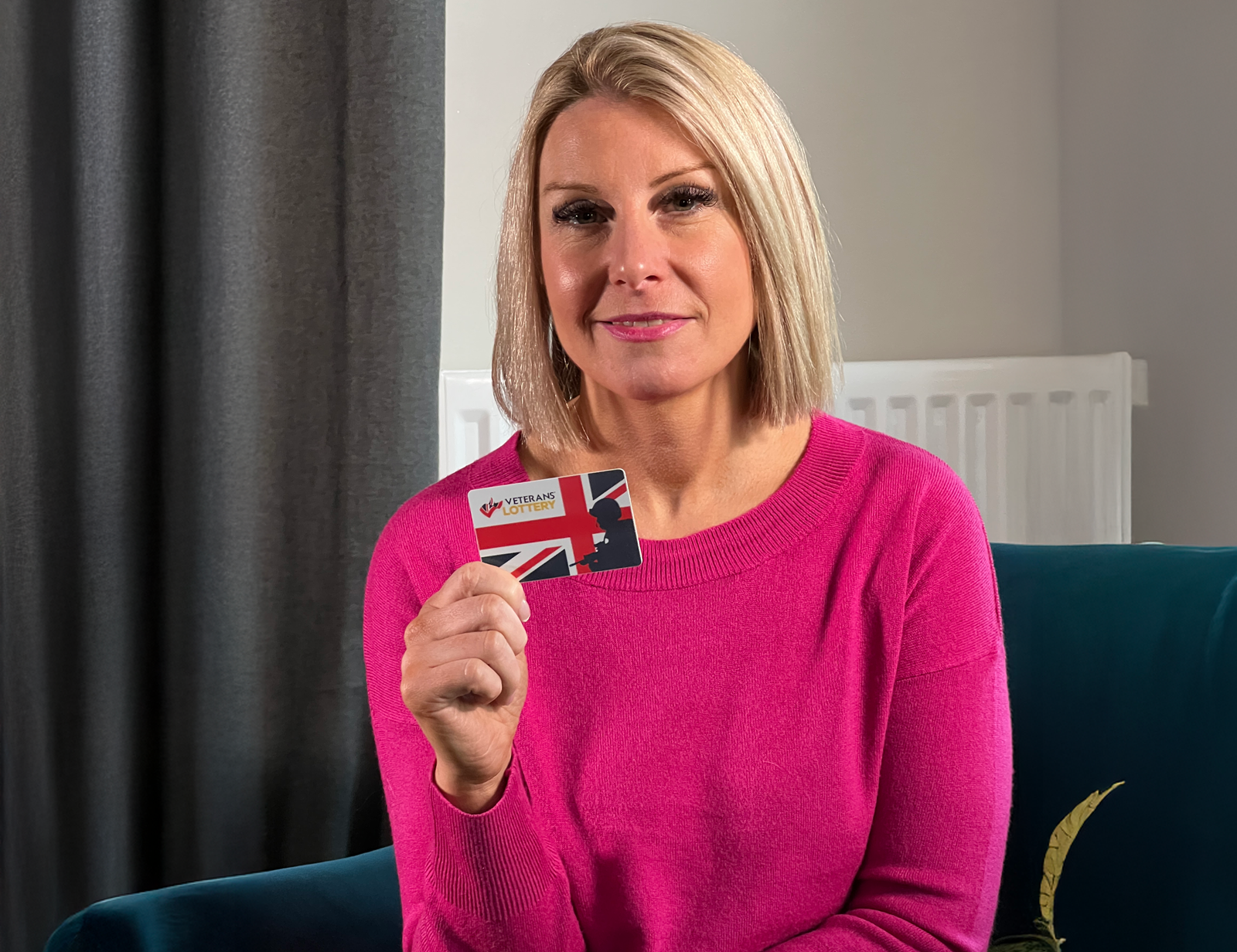
Through the veterans’ community, she was able to access support and counselling.
Having played the Veterans’ Lottery® since 2019, Liz had already seen stories about veterans receiving help – but she had never imagined she would become one of them.
“I'd seen some of the stories of the people that it was helping, I never for a second thought that would be me.”
Her experience has given her a new perspective on the importance of ensuring support is available when veterans need it.
“If it wasn't for the Veterans’ Lottery® giving the funding to the Veterans’ Foundation®, you know the people that help me, the counsellors that help me wouldn't be there.
“All those support networks, all those people that put their arms around me when I need it the most, just wouldn't exist and the services wouldn't be there.”
For Liz, her journey is also a reminder that someone can spend years coping with difficult experiences before reaching the point where they need help.
“There'll be somebody else watching this who will never think it's going to be them and in four years' time might need it as well.”
By playing the Veterans’ Lottery®, you can help the Veterans’ Foundation® continue funding charities and organisations across the UK that provide vital support to veterans and their families when they need it most.


